
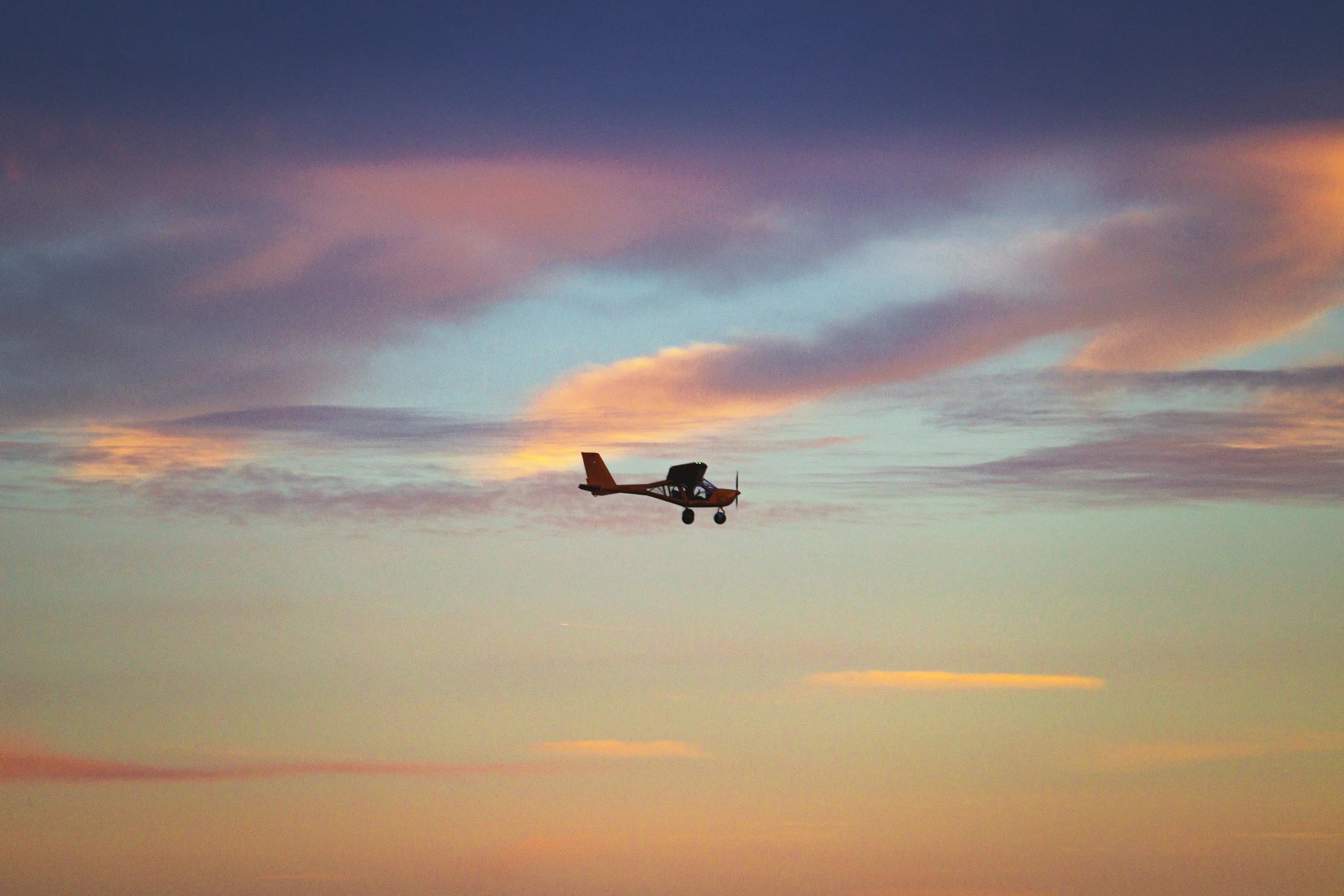
How to become a Private pilot
Step 1. Discovery Flight
Take an introductory flight with a certified flight instructor to experience flying firsthand. This is a great opportunity to see if becoming a pilot is right for you while getting a feel for the aircraft and training environment.
Step 2. FAA Medical Certificate
Obtain an FAA medical certificate from an Aviation Medical Examiner (AME). This ensures you meet the medical standards required to safely exercise the privileges of a pilot certificate. Click Here to learn how to get a Medical Certificate.
Step 3. Student Pilot Certificate
Apply for your Student Pilot Certificate through the FAA. This certificate allows you to begin working toward solo flight and is an important milestone in your training journey. Click Here to learn how to apply for your Student Pilot Certificate.
Step 4. Begin Flight Training
You will now begin conducting your training flights. you will learn to takeoff, maneuver the airplane, land, and much more. The FAA requires a minimum of 40 flight hours to earn your Private Pilot License, but it is very common to need more hours to feel proficient flying safely.
Step 5. Knowledge Test
Pass the FAA Private Pilot Knowledge Test, a written exam covering aerodynamics, weather, navigation, regulations, and other essential aviation topics.
Step 6. Practical Test (Checkride)
Complete the FAA Practical Test, commonly known as the checkride. You'll demonstrate your aeronautical knowledge during an oral exam and your flying skills during a flight with an FAA examiner.
Step 7. Enjoy the Privileges of Your Private Pilot License!
Congratulations! Once you earn your Private Pilot Certificate, you'll be able to fly for personal and recreational purposes, take friends and family on adventures, and continue building your aviation experience.
FAQs
What services do you offer?
1
We offer a range of flight training to meet your needs—whether you're just getting started or needing a refresh. My instruction is tailored to help you accomplish your flight goals.
How much does it cost to fly?
2
Hunter’s Aviation charges $200 per hour, that includes $140 for the airplane, and $60 for the instructor. Hunter’s Aviation does not offer financing or payment plans. I believe the pay-as-you-go strategy is the most fair and honest. Additionally, I don’t have any fuel surcharges, training center premiums, or hidden fees.
How long does it take?
3
This is entirely up to you. If you are flying only 1-2 times per week, expect your flight training for your Private Pilot License to take 6-9 months. If you are flying 4 or more times a week you can finish your Private license flight training in as little as 2 months.
Can i use my own plane?
4
We would be happy to offer instruction in any airplane we feel our services will be valuable.
Whats next?
Expand your capabilities as a pilot by earning your Instrument Rating. This advanced certification allows you to safely operate under Instrument Flight Rules (IFR), including in reduced visibility and through cloud layers when visual references are limited. An Instrument Rating enhances your confidence, precision, and flexibility during cross-country flights, opening up more opportunities to travel when weather conditions are less than ideal. It is also a critical milestone for pilots pursuing a professional aviation career, as it lays the foundation for commercial and airline training.
Instrument Rating (IR)
Turn your passion for flying into a profession with a Commercial Pilot License (CPL). This advanced stage of training refines your skills to a professional standard, focusing on precision flying, complex aircraft operations, and a deeper understanding of aeronautical decision-making. You’ll master advanced maneuvers and elevate your overall airmanship to meet higher performance expectations. Most importantly, a CPL opens the door to flying for compensation or hire, allowing you to begin building a career while doing what you love.
Commercial Pilot License (CPL)
Become a leader in aviation by earning your Certified Flight Instructor (CFI) certificate. As an instructor, you'll do more than fly—you'll inspire and train the next generation of pilots. The process of teaching strengthens your own knowledge, sharpens your decision-making, and builds valuable flight experience. Whether your goal is the airlines, corporate aviation, or running your own flight training business, a CFI certificate is a powerful next step in your aviation journey.
Certified Flight Instructor (CFI)
Ready for Takeoff?
Drop me a line, to learn about the next steps. Let’s chase your dream, together.